 Buscar
 Español
 English
 Español
 Português

 Inicio / Noticias / Noticias de la industria / ¿Son las pastillas de freno la clave para una distancia de frenado más corta y una conducción más segura?
 ¿Son las pastillas de freno la clave para una distancia de frenado más corta y una conducción más segura?
 2026.02.06
 Noticias de la industria
La respuesta directa: Sí. Las pastillas de freno de alta calidad pueden reducir la distancia de frenado al 15%–30% , mejora la resistencia al calor y mejora significativamente la seguridad en la conducción. La elección de las pastillas de freno adecuadas afecta directamente el rendimiento de frenado, el control del ruido, el desgaste del rotor y la confiabilidad general del vehículo.
Contenido
- 1 ¿Qué son? Pastillas de freno y ¿Cómo funcionan?
- 2 ¿Por qué la calidad de las pastillas de freno es importante para la seguridad?
- 3 ¿Qué son? the Main Types of Brake Pads?
- 4 ¿Con qué frecuencia se deben reemplazar las pastillas de freno?
- 5 ¿Qué debe buscar al comprar pastillas de freno?
- 6 Preguntas frecuentes: pastillas de freno
¿Qué son? Pastillas de freno y ¿Cómo funcionan?
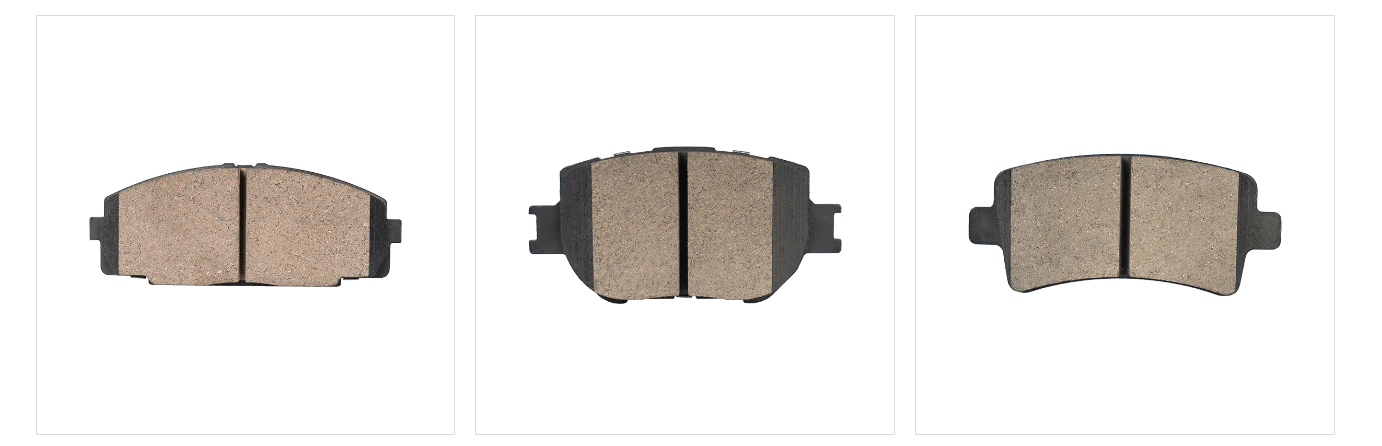
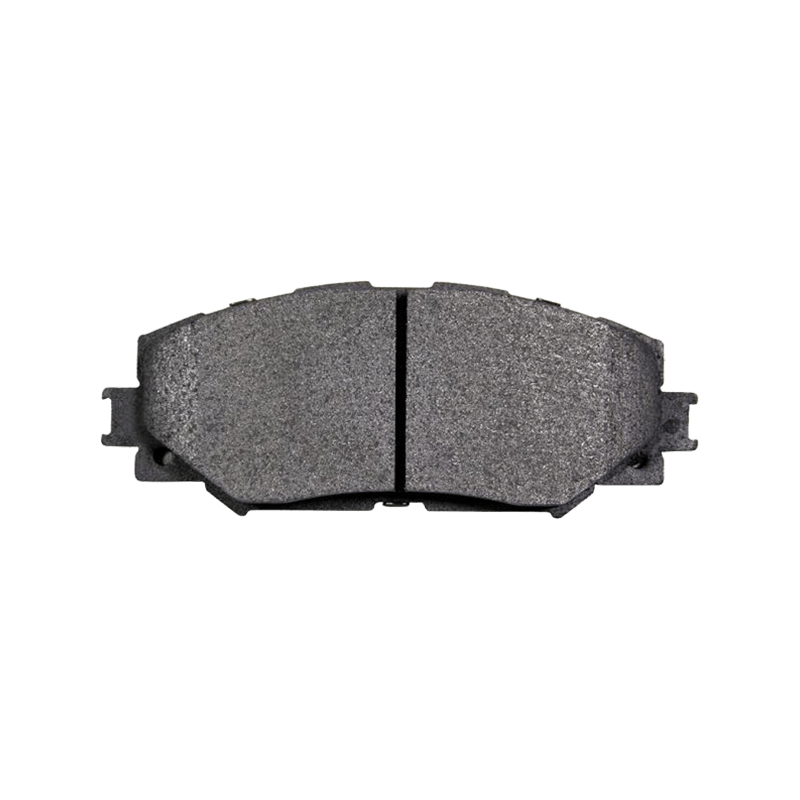
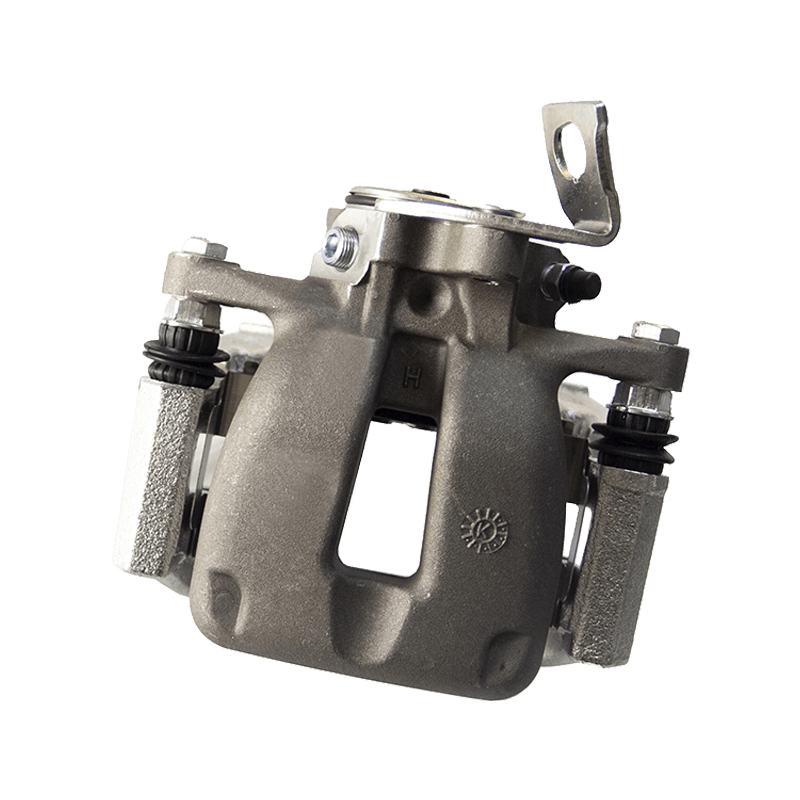
Las pastillas de freno son componentes de fricción instalados dentro de los sistemas de frenos de disco. Cuando el conductor presiona el pedal del freno, la presión hidráulica empuja las pastillas contra el disco de freno (rotor), convirtiendo la energía cinética en energía térmica y desacelerando el vehículo.
Principio básico de funcionamiento
- La fuerza hidráulica sujeta las pastillas al rotor
- La fricción genera resistencia a la rotación de las ruedas.
- El calor se disipa a través de pastillas y rotores.
Las pastillas de freno eficientes mantienen una fricción estable incluso a temperaturas superiores 400°C durante el frenado de emergencia.
¿Por qué la calidad de las pastillas de freno es importante para la seguridad?
El material y el diseño de las pastillas de freno determinan la capacidad de respuesta de frenado y la resistencia a la decoloración. Las pastillas de mala calidad pueden perder fricción con el calor, lo que aumenta la distancia de frenado.
- Distancia de frenado más corta de hasta 30%
- Reducción del desvanecimiento del freno durante el frenado continuo
- Sensación y control del pedal más consistentes
En pruebas reales en carretera, las pastillas de freno de alto rendimiento pueden detener un vehículo desde 100 km/h hasta 8 a 12 metros más corto que las almohadillas desgastadas o de baja calidad.
¿Qué son? the Main Types of Brake Pads?
Los diferentes materiales de pastillas de freno están diseñados para adaptarse a diversas condiciones de conducción y necesidades de rendimiento.
| Tipo de almohadilla | Característica clave | Mejor aplicación |
|---|---|---|
| Cerámica | Bajo nivel de ruido y poco polvo | Conducción diaria |
| Semimetálico | Alta resistencia al calor | Vehículos de alto rendimiento |
| Orgánico (NAO) | Suave y silencioso | Uso ligero |
Seleccionar el material adecuado puede mejorar el rendimiento de frenado en más de un 20%.
¿Con qué frecuencia se deben reemplazar las pastillas de freno?
La vida útil de las pastillas de freno depende de los hábitos de conducción, las condiciones de la carretera y el peso del vehículo.
- Conducción urbana: 30 000 a 50 000 kilómetros
- Conducción en carretera: 50 000-70 000 kilómetros
- Vehículos de carga pesada: intervalos de sustitución más cortos
Ignorar las pastillas de freno desgastadas puede aumentar el riesgo de dañar el rotor al 40% y aumentar significativamente los costos de mantenimiento.
¿Qué debe buscar al comprar pastillas de freno?
Elegir las pastillas de freno adecuadas requiere equilibrar seguridad, durabilidad y comodidad.
- Estándares de certificación (ECE R90, ISO, SAE)
- Resistencia al calor y rendimiento contra la decoloración.
- Tecnología de control de ruido y polvo.
- Compatibilidad del vehículo
Las pastillas de freno certificadas de alta calidad suelen durar 20% más y proporciona una fuerza de frenado más estable.
Preguntas frecuentes: pastillas de freno
¿Cómo puedo saber si es necesario reemplazar mis pastillas de freno?
Los signos comunes incluyen chirridos, respuesta de frenado reducida, vibración durante el frenado y grosor de la pastilla por debajo. 3 milímetros .
¿Son mejores las pastillas de freno cerámicas que las metálicas?
Las pastillas de cerámica ofrecen un funcionamiento más silencioso y menos polvo, mientras que las pastillas semimetálicas brindan un rendimiento de frenado más fuerte bajo altas temperaturas.
¿Las pastillas de freno nuevas requieren un período de rodaje?
Sí. El asentamiento adecuado generalmente requiere 200-300 kilómetros de conducción moderada para lograr un rendimiento óptimo de fricción.
¿Las pastillas de freno desgastadas pueden dañar el disco de freno?
Sí. Las pastillas excesivamente desgastadas pueden exponer las placas de respaldo de metal, lo que provoca rayaduras en el rotor y aumenta los costos de reparación.

Información de contacto.
-
 +86-152 5110 1941
-
 Info@yanitiger.com
-
 +86-152 5110 1941
-
 Edificio 5, Ciudad Financiera de Yancheng, Avenida del Siglo No. 5, Ciudad de Yancheng, Provincia de Jiangsu, China.
Enlaces rápidos
SOLUCIÓN
Código QR
Derecho de Autor © Yancheng Yanitiger Auto Parts Co., Ltd. Todos los derechos reservados.
